1139 Missouri Ave N, Largo, FL Mon-Sun: 7:00 AM - 7:00 PM
Licensed & Insured

Roofing Contractor in Largo, FL Building Storm-Ready, Insurable Roofs

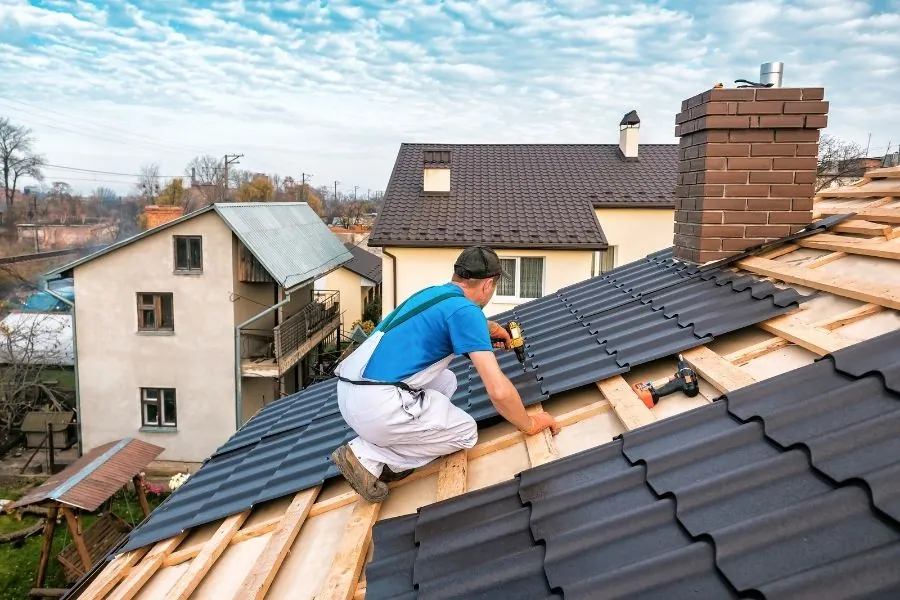
Roofs in Largo have a hard job. They sit on a low peninsula between the Gulf and Tampa Bay, so they get salt air, months of 90°F sun and 50 to 55 inches of rain a year, mostly from summer cloudbursts. Then come the hurricanes. Helene and Milton hit back to back in 2024, and plenty of Pinellas roofs still have lifted shingles, cracked tile or wet decking that nobody has found yet. Largo Roofing Experts repairs and replaces shingle, tile, metal and flat roofs to current Florida wind codes. We'll also give you the paperwork you need to keep your home insurable.

Most of our work is on the homes Pinellas is known for: 1960s CBS ranches with flat roofs over the lanai, 55+ manufactured-home communities that need roof-overs, and 1980s condo villas with roofs shared through the HOA. We handle the permits with the City of Largo or Pinellas County, get the deck re-nailed and the secondary water barrier installed, and keep you posted at every step. You'll see our crews on roofs in Belleair Bluffs, Seminole, Clearwater and Indian Rocks Beach every week.

  • Bonded and insured
  • Financing available
  • Wind mitigation reports that may lower premiums

Homeowners and condo communities around Largo trust us with shingle, tile, metal and flat roofs, and with storm repairs. We handle the permits, provide wind mitigation reports, and keep them updated from the first inspection to the final sign-off.

Request Your Free Estimate

No obligation. Fast, honest quotes.

Your information is never shared.

Online Estimates
Onsite Service
Licensed & Insured
Customer Rated
Local Expertise

Why Largo Roofs Wear Out Faster Than Most

Every part of Pinellas County is close to salt water, and very little of it sits above sea-level exposure. A roof here gets constant UV, heavy summer storms, hurricane wind and code rules that keep getting stricter. Here's what that means for your home in practice.

Gulf Climate: Sun, Cloudbursts, Salt and Hurricanes

Largo gets about 50 to 55 inches of rain a year. Most of it falls from June through September, when afternoon thunderstorms can drop an inch or more in under an hour. That kind of rain finds every weak valley, flashing and low-slope section on a roof. Summer highs stay near 90°F for months, and the UV index sits in the high-to-extreme range for most of the year. That sun bakes the granules off shingles and dries out the underlayment under tile. Constant humidity, along with shade from oaks and palms, feeds black algae streaks on north-facing slopes. Within a mile or two of the Gulf, salt spray corrodes standard fasteners and drip edge. Hurricane season runs June 1 to November 30, and Idalia in 2023, then Helene and Milton in 2024, showed how wind-driven rain gets pushed sideways under shingle tabs and tile.

A Housing Stock Built Before Modern Wind Codes

Most of Largo went up between the 1950s and the 1980s. The typical house is a single-story concrete-block ranch with a low-pitch shingle roof. Many have a flat carport, Florida room or screened lanai added later, often covered with tar-and-gravel or rolled roofing that's now well past its service life. Pinellas also has one of the largest concentrations of manufactured-home communities in the state, and those homes need metal or TPO roof-overs and coatings. Homes built before the 2002 Florida Building Code often have light deck nailing, toe-nailed rafters without hurricane straps, and no secondary water barrier. Those are exactly the items that wind mitigation inspectors and storms find. In Belleair, Harbor Bluffs and Feather Sound, many tile roofs look fine from the street while the underlayment beneath them is failing.

Permits, Code and Insurance Rules

Every re-roof needs a permit from the city building department (Largo, Clearwater, St. Petersburg, Dunedin, Pinellas Park) or from Pinellas County Building Services in unincorporated areas. Inspectors check the deck nailing and underlayment while the job is in progress, then do a final inspection. Most of the county is in the wind-borne debris region, so a re-roof usually means re-nailing the deck and adding a secondary water barrier. Products need Florida Product Approval. Since 2022, roofs built to the 2007 code or later only need the repaired section brought up to code. Older roofs can still trigger a full replacement. If your home is in a flood zone, the cost of the roof counts toward the 50% substantial-improvement limit. Historic districts in St. Pete, Dunedin and Safety Harbor, along with many HOAs, also have their own rules on roof material and color.

An Insurance-Sensitive Market

Pinellas has nearly a million residents, and many of them are retirees on fixed incomes who've owned their homes for decades. Insurers, including Citizens, are increasingly refusing to renew roofs that are about 15 years old or older, or are requiring a replacement by a deadline. Younger buyers moving into older homes in Pinellas Park, Largo and Dunedin often need a roof insurability inspection before they can close. In this market a roof is more than shelter. It decides whether you can get a policy and how much you'll pay for it. That's why we put the same care into wind mitigation documentation as we do into the shingles.

Know The Signs

Common Roof Problems We See Across Largo and Pinellas County

Most of the calls we get come down to the same handful of problems. They're driven by the Gulf climate, the age of local homes and the storm seasons we've had recently. Here's what each one looks like, why it's so common here, and how urgent it is.

Hidden Hurricane and Wind Damage

Serious

This is damage from Helene, Milton or later storms that doesn't show from the ground. It includes broken shingle seal strips, lifted tabs, creased shingles, cracked or shifted tile, and decking that got wet under a temporary tarp. Once the seal is broken, the roof starts taking on water from wind-driven rain.

Why it happens here

Helene and Milton came about two weeks apart in 2024, and roofers, permits and materials were backlogged for months afterward. Many Largo homes sat under tarps through the following rains. Seal strips on older shingles that have been baking in Florida UV don't re-bond once they've lifted. Now each summer storm pushes rain under those loose tabs. The leak can take a year or more to show up on a ceiling, and by then the decking may already be soft.

Signs to watch for
  • Shingles that lift or flutter in moderate wind
  • Shingle pieces or tile fragments in the yard
  • Ceiling stains that appeared after the 2024 storms
  • Soft or spongy spots when walking the roof
  • Tarp marks or old nail holes left in the roof
  • Attic decking that's darkened or delaminating
Local patterns

We find this most on 1970s and 1980s shingle roofs in Ridgecrest, Seminole Lake and Walsingham, and on tile roofs in Harbor Bluffs. Homes that were tarped for a long time after Milton are especially likely to have wet or rotted decking.

Our fix

We do a full inspection with photos, then repair or replace the damaged sections. We re-seal shingles or reset tile and replace any rotted decking before the next storm season.

Failing Flat Roofs on Lanais, Carports and Florida Rooms

Moderate

These are the low-slope and flat sections added onto Largo ranches over the years, usually built-up tar-and-gravel or rolled roofing. They pond water, the seams split, and they leak where the addition meets the main roof. This is the leak we see more than any other in Pinellas.

Why it happens here

A lot of Largo's CBS ranches added a Florida room or carport in the 1960s through the 1980s, often roofed with whatever was cheap at the time. These roofs don't drain well. A summer cloudburst that drops an inch of rain in 30 minutes leaves standing water, and the heat breaks down the asphalt membrane. The tie-in between the low-slope addition and the shingled main roof is almost never flashed properly, so it's a chronic leak point.

Signs to watch for
  • Standing water 48 hours after rain
  • Blistered, cracked or alligatored surface
  • Leaks along the wall where the addition meets the house
  • Sagging ceiling panels in the Florida room
  • Gravel washed into gutters or off the edges
  • Mildew smell in the addition
Local patterns

This is everywhere in Largo's mid-century neighborhoods, including the areas around Downtown Largo and West Bay Drive, Ridgecrest and Kenneth City. Mobile and manufactured homes in 55+ parks have the same problem with their flat and low-slope roofs.

Our fix

We replace the old system with a fully adhered TPO or modified-bitumen membrane, add tapered insulation where water ponds, and properly flash the tie-in to the main roof.

Roof Age Triggering Insurance Non-Renewal

Serious

This is a letter from your insurer, often Citizens, saying your roof is too old or has to pass an inspection or be replaced by a certain date to keep coverage. It happens most often with shingle roofs that are about 15 years old or older.

Why it happens here

Florida's 2022–2023 reforms stop insurers from refusing coverage based only on roof age when the roof is under 15 years old. Older roofs can be required to pass an inspection. Pinellas has a lot of long-time owners with roofs from the early 2000s, and many of them were built before modern deck-nailing and secondary-water-barrier rules. Those roofs fail inspections and lose wind mitigation credits, so homeowners end up facing a replacement on a deadline.

Signs to watch for
  • A non-renewal or roof-condition notice from your insurer
  • A 4-point inspection that flags the roof
  • A shingle roof older than about 15 years
  • Missing wind mitigation paperwork
  • A home sale held up by roof insurability
Local patterns

This is common among retirees in Largo, Seminole and Kenneth City, and with buyers of 1980s homes in Pinellas Park and Dunedin. Closings often depend on getting a roof certification or replacement done quickly.

Our fix

We inspect the roof and document its condition. If it needs to be replaced, we do the work to current code and give you a wind mitigation report to send to your insurer.

Worn-Out Underlayment Beneath Tile

Serious

The concrete or clay tiles are fine, but the underlayment under them, which is the part that actually keeps water out, has dried out and cracked. Tile roofs leak at the underlayment long before the tile itself wears out.

Why it happens here

Tile can last 50 years, but underlayment installed in the 1990s and 2000s bakes under tiles that reach well over 150°F on a Pinellas summer afternoon. Wind-driven rain from storms like Milton pushes water under the tile laps, where it runs onto underlayment that can no longer shed it. From the street the roof looks perfect, which is why homeowners in upscale neighborhoods are often surprised when the leak shows up.

Signs to watch for
  • Leaks with no visible broken tiles
  • Brittle, cracked felt visible at the eaves
  • Slipped or sliding tiles
  • Stains near valleys and roof penetrations
  • Mortar at ridges and hips that's cracked or missing
Local patterns

We see this on barrel and flat-tile homes in Belleair, Harbor Bluffs, Feather Sound and Countryside in Clearwater. HOAs in those neighborhoods often require the original tile profile and color to be kept or matched.

Our fix

We carefully remove and stack the tile, install a new self-adhered underlayment and new flashing, then reinstall the sound tiles. We match any broken pieces to meet HOA requirements.

Salt-Air Corrosion of Flashing and Fasteners

Moderate

Salt spray rusts standard steel nails, drip edge, valley metal, vent boots and HVAC stands. As the metal corrodes, the flashing loosens, the fasteners lose their hold, and rust stains run down the roof.

Why it happens here

Homes within a mile or two of the Gulf or the Intracoastal Waterway get salt spray almost every day. Standard electro-galvanized parts can corrode within a few years here. Pinellas is so narrow that even inland Largo gets some salt air when onshore winds are blowing. If the original builder or a past repair crew used ordinary hardware, the metal is often what fails first.

Signs to watch for
  • Rust streaks below flashing or vents
  • Drip edge that's flaking or pitted
  • Loose or backed-out nails
  • Corroded HVAC stand or roof jack
  • Gaps where flashing meets the wall
Local patterns

This is most severe in Indian Rocks Beach, Redington Shores, Madeira Beach, Treasure Island and Clearwater Beach, including elevated rebuilt homes and older beach cottages. Waterfront homes in Belleair Bluffs and Gulfport see it too.

Our fix

We replace the corroded metal with stainless or hot-dipped galvanized fasteners, aluminum or coated flashing, and drip edge rated for coastal exposure.

Active Storm Leak or Opening in the Roof

Emergency

This is a sudden leak or a missing section of roof after a hurricane, tornado, falling limb or severe thunderstorm. Water is coming in now, and the home needs to be dried in quickly to protect the ceilings, insulation and wiring.

Why it happens here

Tampa Bay is one of the most lightning-active areas in the country, and Milton brought tornadoes along with hurricane-force gusts across Pinellas. Big oaks and palms near older homes drop limbs during storms. When a roof opens up in the middle of the wet season, another storm is usually only a day away.

Signs to watch for
  • Water dripping through ceilings or light fixtures
  • Missing shingles, tile or exposed decking
  • A tree limb on the roof
  • A bulging or sagging ceiling
  • Wet attic insulation
Local patterns

These calls spike across every service area after named storms. They're especially common under the big oak canopies in Largo's older neighborhoods and on beach homes exposed to direct Gulf wind.

Our fix

We do emergency tarping or a temporary dry-in, take photos of the damage for your records, and then make the permanent repair or replacement once it's permitted.

Algae Streaks and Poor Attic Ventilation

Minor

These are black streaks from Gloeocapsa magma algae, plus moss or lichen, on shingles. Underneath, attics often have too little ventilation, so heat and moisture build up and slowly rot the decking.

Why it happens here

Pinellas humidity stays high most of the year, overnight lows sit in the mid-70s all summer, and many lots are shaded by trees. North-facing slopes stay damp long enough for algae to spread. Many ranch homes from the 1960s and 1970s have few soffit vents and a couple of turbines, so attics can get hotter than 140°F. That shortens shingle life and encourages mold.

Signs to watch for
  • Black or green streaks on north-facing slopes
  • Moss along shaded edges
  • A very hot, stuffy attic
  • Rusty nail tips or moisture on the underside of the decking
  • Curling shingles
  • High summer cooling bills
Local patterns

We see this a lot under the tree canopy in Bardmoor, Seminole Lake and the older parts of Largo. Older condo villas with mansard roofs often have very limited ventilation.

Our fix

We do a gentle soft-wash cleaning, install zinc or copper strips, and balance the attic ventilation with soffit intake and ridge exhaust.

What We Do

Roofing Services Built for Pinellas County Conditions

We're a full-service roofing company, but every service below is set up for Gulf Coast conditions. That means coastal-rated fasteners, Florida Product Approved materials, current wind-code installation and the paperwork insurers ask for. Here's how each service applies to homes and properties around Largo.

Specialty

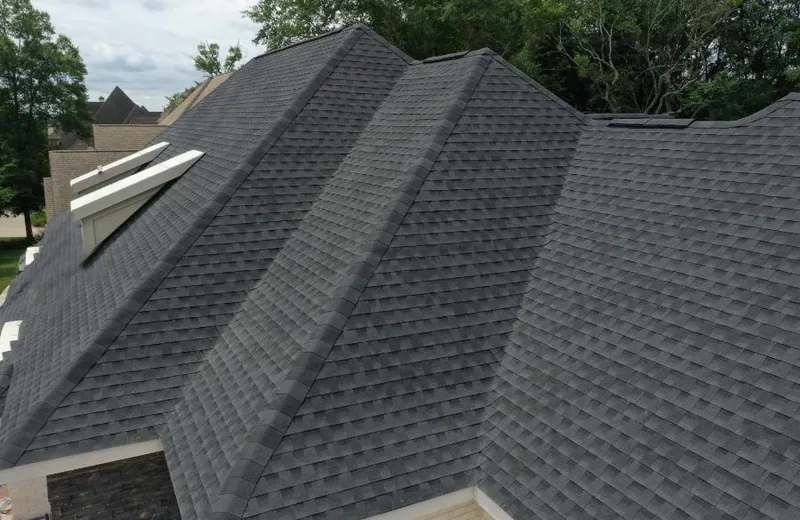
Roof Replacement & Re-Roofing (Shingle, Architectural & 3-Tab)

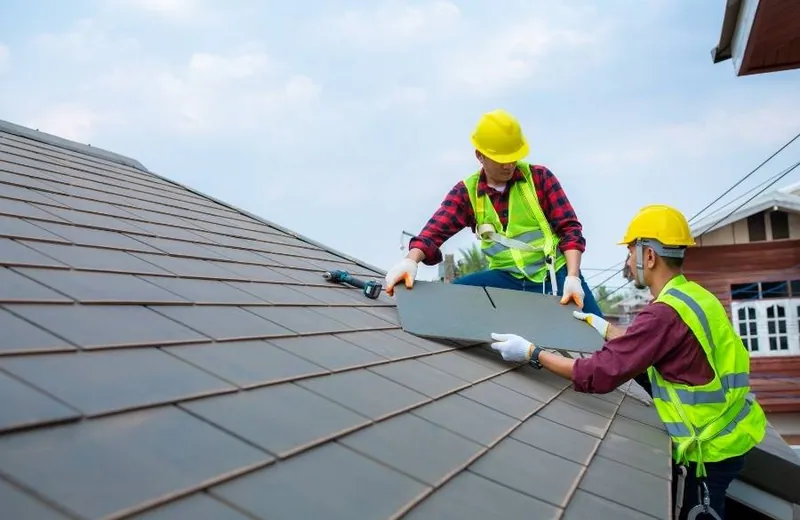
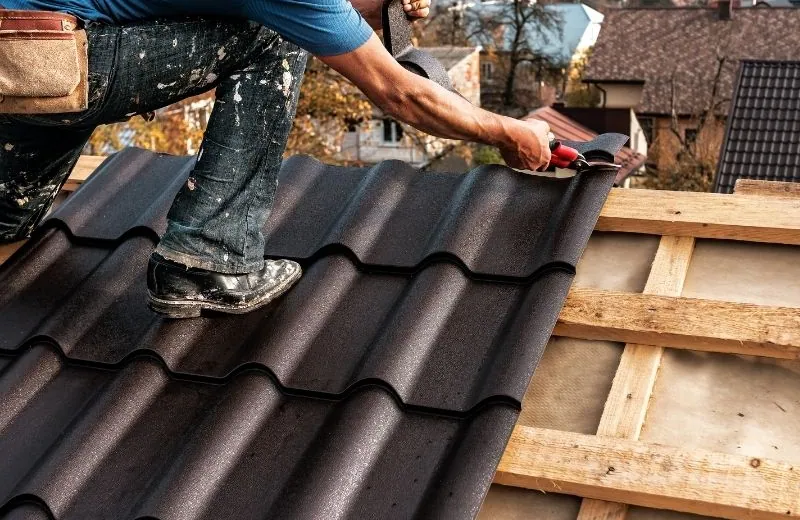
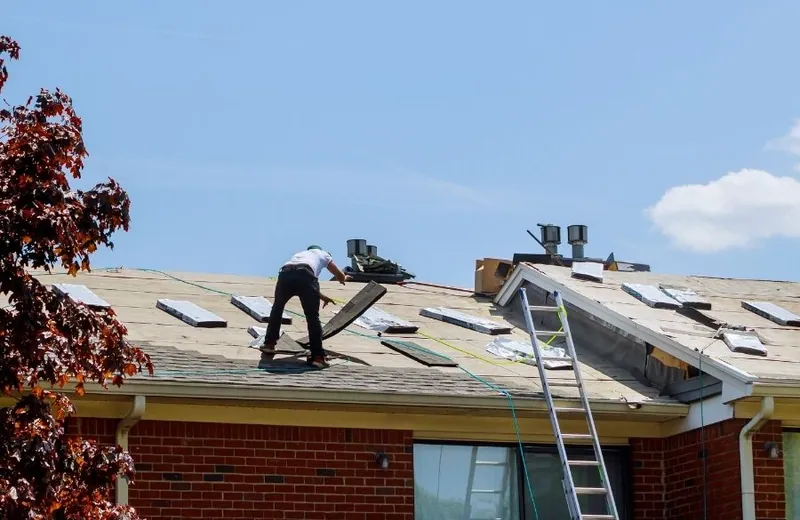
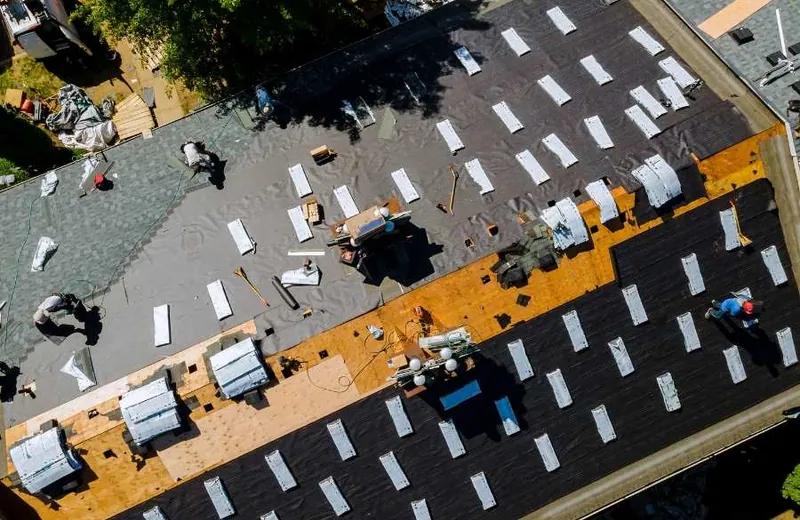
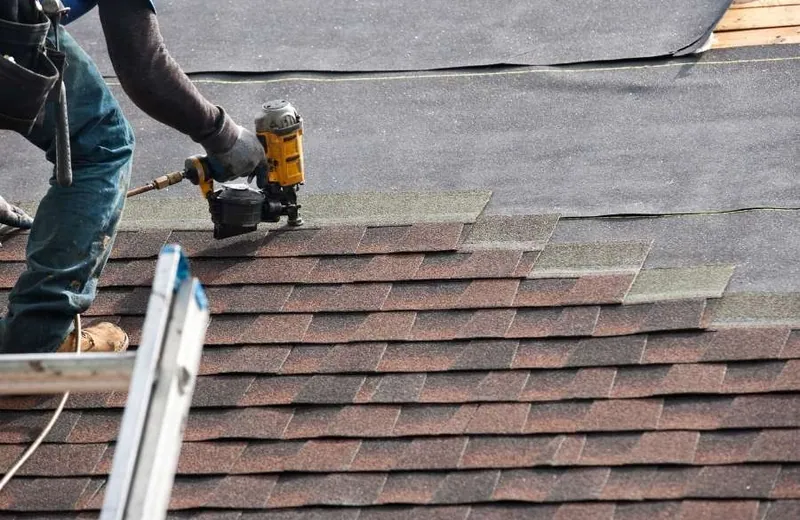
We tear off the old roof down to the deck, fix any rot, re-nail the deck to current code, install a secondary water barrier, and put down new architectural or 3-tab shingles with proper ventilation, drip edge and flashing. This includes replacements on a deadline after an insurer's notice.

Our approach

We use Florida Product Approved shingles installed with high-wind nailing patterns, a self-adhered or code-compliant underlayment, and stainless or hot-dipped galvanized hardware. The permit and the in-progress and final inspections are handled by us.

In Largo, FL

This is the main job for Largo's 1960s–1980s CBS ranches. Re-nailing the deck and adding a secondary water barrier help bring a pre-2002 roof up to current wind-code standards and can earn credits on your wind mitigation report.

Best for

Homes with shingle roofs around 15 years or older, homes facing insurance non-renewal, storm-damaged roofs, and buyers who need an insurable roof to close.

Roof Repair, Leak Detection & Roof Patching

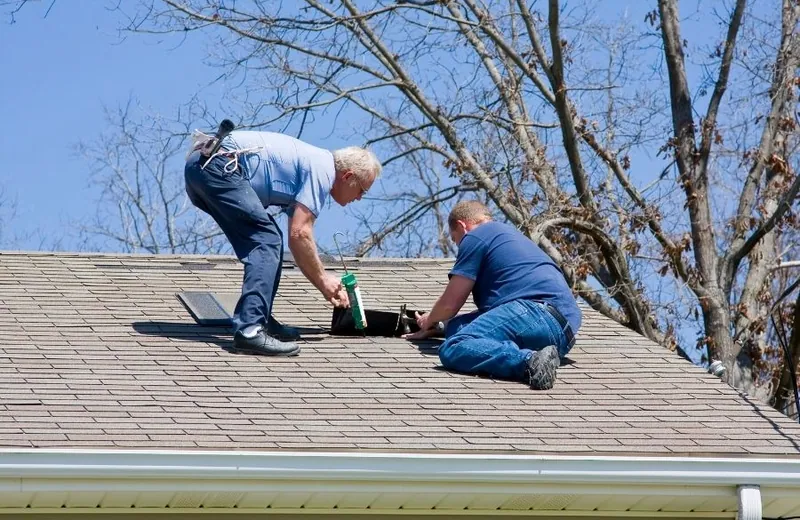
We trace a leak back to where it actually starts, then repair shingles, tile, flashing, vent boots and seams. We also patch storm damage, replace damaged sections and fix the leaks that show up on ceilings after summer storms.

Our approach

We start with an inspection of the attic and the roof surface, checking flashing, penetrations and valleys. The repair is matched to your existing material. On roofs built in 2007 or later, only the repaired area has to meet current code.

In Largo, FL

Wind-driven rain in Pinellas often comes in far from where the stain shows up on the ceiling. We check the tie-ins at walls, plumbing vents and additions first, because that's where most Largo leaks start.

Best for

Roofs that are still sound overall but have isolated leaks, lifted shingles, cracked tile or worn boots.

Emergency Roof Repair & Roof Tarping

When a storm, falling limb or lightning strike opens up your roof, we dry it in quickly with a properly secured tarp or a temporary repair. That stops water from getting into ceilings, insulation and electrical.

Our approach

We fasten heavy-duty tarps with battens so they hold through follow-up storms, and we take photos of the damage for your records. After that we schedule the permanent repair.

In Largo, FL

In a Pinellas wet season the next storm is rarely more than a day away. After Helene and Milton, tarps that weren't secured properly failed and let water soak into the decking. We install ours to hold until the permanent repair is done.

Best for

Active leaks, missing sections of roof, tree impacts and post-hurricane dry-ins.

Specialty

Tile Roofing & Tile Underlayment Replacement

We install new concrete and clay tile roofs and restore existing ones. On a restoration we lift the sound tile, replace the failed underlayment and flashing, then reinstall the tile, matching profile and color where the HOA requires it.

Our approach

We use self-adhered tile underlayment, attach the tile with foam or mechanical fasteners following Florida Product Approval, and rebuild ridges and hips. Any broken tiles are replaced with matched pieces.

In Largo, FL

This is common in Belleair, Harbor Bluffs, Feather Sound and Countryside, where the tiles are still fine but 20- to 30-year-old underlayment is failing. Keeping the original tile can save a lot of money and helps the project get HOA approval.

Best for

Tile homes with leaks but intact tile, upscale homes in HOA communities, and homeowners upgrading to tile.

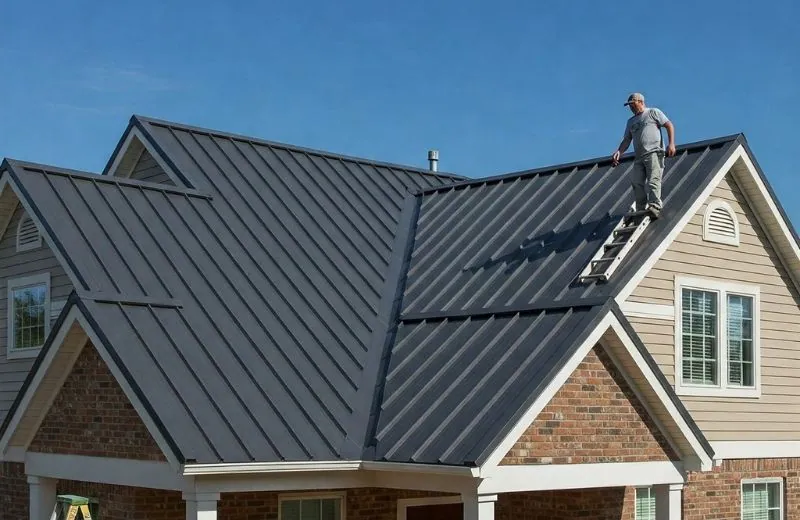
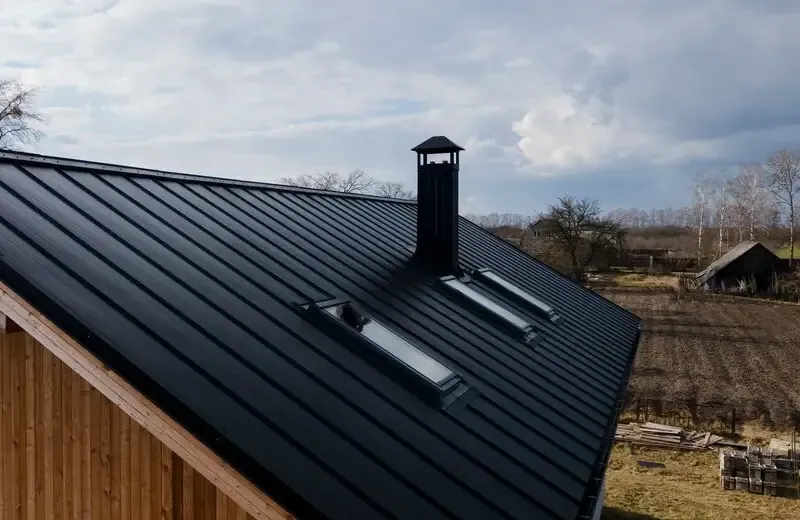
Metal Roofing (Standing Seam, Steel, Corrugated & Residential Metal)

We install standing seam, steel and corrugated metal roofs and repair existing metal systems, including flashing designed specifically for metal roofs.

Our approach

We use aluminum or coated steel panels chosen for your distance from salt water, concealed-fastener standing seam where the budget allows, coastal-rated clips and fasteners, and trim and flashing matched to the panels.

In Largo, FL

Metal holds up well to Pinellas UV and hurricane wind. Near the Gulf beaches we generally recommend aluminum to avoid salt corrosion. Corrugated and screw-down panels are common on manufactured homes and outbuildings.

Best for

Waterfront and beach homes, owners who want a roof that lasts for decades and resists hurricane wind, and manufactured homes.

Flat Roof Repair & Replacement (TPO, EPDM, Modified Bitumen)

We repair and replace flat and low-slope roofs over carports, Florida rooms, lanais, additions and mobile homes. Where an older system has worn out, we install a new single-ply TPO or EPDM membrane.

Our approach

We tear off the failed built-up or rolled roofing, add tapered insulation to stop ponding, install a fully adhered TPO or EPDM membrane, and properly flash the edge where the flat section meets the main roof.

In Largo, FL

These are the most leak-prone sections on Largo homes. Replacing a tar-and-gravel Florida room roof and its tie-in is often the single repair that fixes years of leaks.

Best for

Ponding or leaking additions, carports, lanais, mobile home roof-overs and small commercial roofs.

Commercial Roofing & Commercial Roof Repair

We repair, coat and replace low-slope roofs on condo buildings, villa communities, offices and retail properties, and we coordinate the work with association boards and property managers.

Our approach

We start with a survey and moisture check. From there we make targeted repairs, apply a restorative coating, or replace the roof with TPO or modified bitumen, and we schedule the work around residents and tenants.

In Largo, FL

This includes the 1970s and 1980s condo and villa communities around Largo and Seminole with mansard or shared roofs, mid-rise condos on the beaches, and strip centers along the main Pinellas corridors.

Best for

Condo associations, HOAs, property managers and small commercial building owners.

Roof Inspection & Wind Mitigation Reports

We inspect your roof's condition and document how well it would hold up in a storm, and we provide a wind mitigation report that may help lower your insurance premiums.

Our approach

We do a visual and attic inspection, take photos, and check deck attachment, roof-to-wall connections, the secondary water barrier and roof shape, which are the items on form OIR-B1-1802.

In Largo, FL

These inspections are important for Pinellas owners responding to insurer inspection requirements, buyers closing on older homes, and anyone checking their roof for damage left over from Helene and Milton.

Best for

Insurance renewals, real estate transactions, post-storm check-ups and planning a future replacement.

Roof Restoration, Coatings & Waterproofing

We apply reflective silicone or acrylic coatings and waterproofing to flat, metal and manufactured-home roofs, which can add years of service to a roof that's still structurally sound.

Our approach

We clean the roof, repair seams and fasteners, prime it, and apply the coating at the thickness the manufacturer specifies. Reflective finishes cut the heat load on the roof.

In Largo, FL

This works well in Largo's 55+ manufactured-home communities and on commercial low-slope roofs, where a coating can be a budget-friendly alternative to tearing the roof off under the Florida sun.

Best for

Sound metal or flat roofs with minor wear, owners on a fixed income, and commercial roofs.

Flashing, Chimney & Skylight Leak Repair

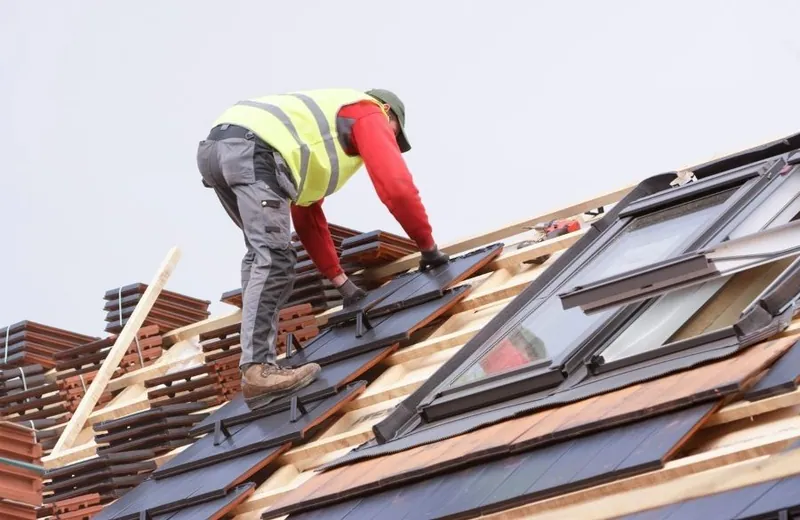
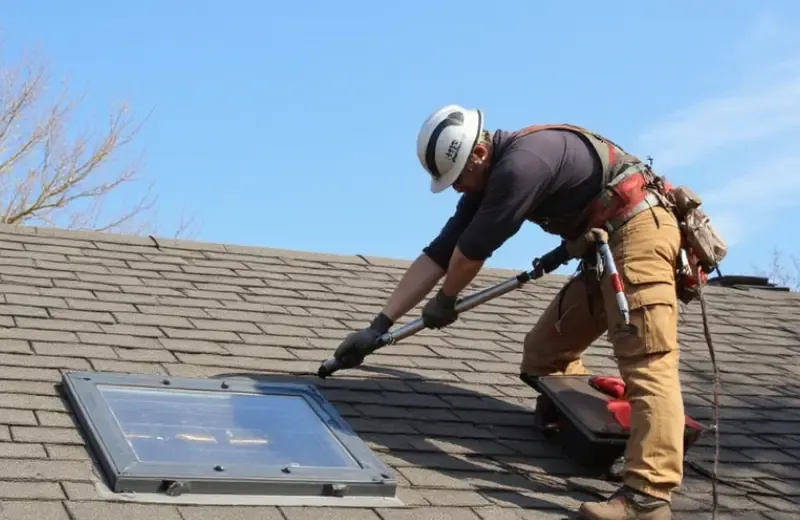
We repair and replace chimney flashing, wall and step flashing, drip edge, steel and metal-roof flashing, and skylight curbs, which are the details where most leaks start.

Our approach

We remove the old sealant-only patches, install proper step and counter flashing, use corrosion-resistant metals near the coast, and reseal or replace failing skylights.

In Largo, FL

Pinellas cloudbursts and sideways rain quickly expose weak flashing. That's especially true on older bungalows in Old Northeast, Kenwood and Downtown Dunedin, which have chimneys and complicated roof lines.

Best for

Leaks around chimneys, skylights, walls and vents, and on older homes with complex roof lines.

Roof Maintenance, Ventilation, Soffit & Fascia, Gutter Guards

We provide routine maintenance, balance attic ventilation, replace rotted soffit and fascia, install gutter guards, and clean algae off roofs.

Our approach

Our work includes checking the roof before and after hurricane season, adding ridge and soffit ventilation, installing aluminum soffit and fascia, using gutter guards sized for heavy rain, and putting up zinc strips to slow algae.

In Largo, FL

Oak and palm debris clogs gutters right before the summer storms, and poor ventilation lets humid attics rot the decking. A visit before June keeps Largo roofs ready for the season.

Best for

Homeowners who want their roof to last longer, homes with hot attics or algae, and seasonal residents.

Specialty Roofing: Slate, Cedar Shake & Copper

We install and repair premium slate, cedar shake and copper roofing and accents for homeowners who want a distinctive look or are restoring a historic home.

Our approach

We install with care for the material and Florida Product Approval, using corrosion-compatible fasteners and flashing details suited to each one.

In Largo, FL

These are a good fit for historic homes in St. Petersburg's Kenwood and Old Northeast, Dunedin and Safety Harbor, where design review may apply, and for copper accents on upscale homes in Belleair.

Best for

Historic homes, architectural accents and luxury renovations.

Dry-Season ("Winter") Roof Replacement & Repair

We schedule replacements and repairs during Pinellas's drier, cooler months from November through April. In Largo, "winter" means low humidity and few storms, not snow or ice.

Our approach

We plan tear-offs around forecast dry stretches and get the permits lined up early, so the roof is finished well before the next hurricane season.

In Largo, FL

With fewer afternoon storms, there's less risk of water getting in while the roof is open. Snowbirds can also have the work done while they're in town.

Best for

Planned replacements, seasonal residents and owners working against an insurer's deadline.

Simple & Transparent

How Your Roofing Project Works, Step by Step

We know Pinellas homeowners don't like surprises, so every project follows the same five steps, with clear updates and no guesswork about permits, timing or cost.

Inspection & Documentation

  • Roof surface and attic inspection
  • Photos of damage, wear and problem areas
  • Checking the items on the wind mitigation form
  • Noting any HOA, flood-zone or historic restrictions

For homes damaged by Helene or Milton, we specifically look for broken seal strips, wet decking and failed tarp areas.

Usually scheduled within a few days; 45–90 minutes on site

Clear Written Estimate & Options

  • Line-item scope for repair or replacement
  • Material options such as shingle, tile, metal or TPO, with their pros and cons
  • Explanation of code items like deck re-nailing and the secondary water barrier
  • Financing options if you want them

If your home is in a flood zone, we show the roof cost so you can see how it fits under the 50% substantial-improvement limit.

Typically within 1–3 days of inspection

Permits & Approvals

  • Permit application to the City of Largo, another city or Pinellas County
  • Florida Product Approval documents submitted
  • HOA or condo association paperwork if it's needed
  • Ordering materials and scheduling crews

Historic districts in St. Pete, Dunedin and Safety Harbor may need design review, so we build that time into the schedule.

Varies by jurisdiction; often 1–3 weeks

Installation & Inspections

  • Property protection and tear-off
  • Deck repair and re-nailing to code
  • In-progress inspection of the nailing and underlayment
  • Installing the new roof with coastal-rated hardware
  • Daily cleanup with magnetic nail sweeps

We plan around afternoon storms and dry in every section before the rain shows up.

Most homes take 1–3 days; tile and commercial jobs take longer

Final Inspection & Wind Mitigation Paperwork

  • City or county final inspection passed
  • Final walkthrough with photos
  • Wind mitigation report provided for your insurer
  • Permit and closeout documents delivered

Send the wind mitigation report to your insurer promptly so any premium credits can be applied.

Final inspection usually within days of completion
The Largo Roofing Experts Difference

Why Largo Homeowners Choose Largo Roofing Experts

We Know Pinellas Roofs, Not Just Roofing

A 1965 Largo ranch with a tar-and-gravel Florida room has different problems than a barrel-tile home in Harbor Bluffs or an elevated rebuild in Redington Shores. We work on these homes every week. We know which tie-ins leak, where tile underlayment fails, and how salt air breaks down hardware near the beaches. That local knowledge means we find the real cause of the leak the first time, so you don't pay for repairs that don't fix anything.

Bonded and Insured Protection

After every hurricane, out-of-town storm chasers and unlicensed operators pour into Pinellas, and older residents are the ones most often targeted. Largo Roofing Experts is bonded and insured, so you and your property are protected if something goes wrong on the job. We'll gladly provide proof of coverage before any work starts. We also encourage you to verify any contractor's Florida license with the DBPR.

Wind Mitigation Reports That Can Lower Premiums

Pinellas homeowners are under a lot of pressure from their insurers. We give you wind mitigation reports that document deck attachment, roof-to-wall connections, the secondary water barrier and roof shape, which are the items that can significantly reduce your premiums. When we replace a roof, we build those features in to current code so the paperwork reflects real improvements to your home.

Permits Handled From Start to Finish

Re-roof permits, in-progress nailing inspections, Florida Product Approvals, HOA applications and flood-zone limits can catch homeowners off guard. We take care of the permit with the City of Largo, Clearwater, St. Petersburg or Pinellas County, schedule the inspections, and handle the association paperwork. You'll know ahead of time what code requires, such as deck re-nailing, so it doesn't show up as a surprise charge halfway through the job.

Shingle, Tile, Metal and Flat Roofs Under One Roof

Many Pinellas homes have more than one roofing system, like a shingle main roof with a flat Florida room, or tile with a metal accent. We install and repair all of them, including TPO and EPDM flat roofs, mobile home roof-overs and coatings, and commercial low-slope systems for condo communities. One crew handles the whole home, including the tricky spots where different materials meet.

Clear Updates and Transparent Estimates

Many of our customers are retirees or seasonal residents who want to know exactly what's happening and what it costs. You'll get a line-item estimate, photos of what we find, and updates at each stage, from the permit and material delivery to inspections and the final walkthrough. If we find rotted decking once the old roof is off, we show you before we replace it.

Financing for Deadlines You Didn't Choose

An insurer's replacement deadline or a hurricane doesn't wait for a convenient time. Financing is available to help you spread out the cost of a new roof, which is especially helpful for homeowners on fixed incomes and buyers who need an insurable roof to close.

Trusted Locally

Protected, Transparent Roofing for Pinellas Homeowners

Homeowners and condo communities around Largo trust us with shingle, tile, metal and flat roofs, and with storm repairs. We handle the permits, provide wind mitigation reports, and keep them updated from the first inspection to the final sign-off.

20-Mile
Service Radius Around Largo
18
Pinellas Communities Served
Bonded & Insured
On Every Project
Financing
Available for Replacements
BondedInsured
Where We Work

Roofing Service Areas Across Pinellas County

Our base is in Largo, and we cover a 20-mile radius across most of Pinellas County. That includes the Gulf beaches, older neighborhoods in St. Pete and Dunedin, and 55+ communities in every corner of the county. Each area comes with its own roofing challenges.

Largo & Central Pinellas

LargoBelleair BluffsBelleairSeminolePinellas ParkKenneth City

Gulf Beaches

Indian Rocks BeachRedington ShoresMadeira BeachTreasure Island

St. Petersburg & South County

St. PetersburgGulfportSouth Pasadena

Clearwater & North County

ClearwaterDunedinSafety HarborPalm HarborOldsmar

We cover communities within about 20 miles of Largo. If you're near the edge of that radius, contact us and we'll confirm whether we can take your project. Not sure if we cover your area? Call (727) 284-7009.

Transparent Pricing

How Much Does a Roof Cost in Largo, FL?

What you'll pay depends on the material, the roof's size and pitch, the condition of the deck, and the code work Pinellas requires. The ranges below reflect current local pricing. Your written estimate will itemize the actual cost for your home.

Primary Factor

Roofing Material

Architectural shingles are the most affordable full replacement. Flat roofs with TPO cost more per square foot, but the areas are small. Concrete tile, standing seam metal and clay tile cost progressively more, but they can last much longer in Pinellas UV and hurricane wind. Near the beaches, choosing aluminum over steel adds to the cost, but it heads off salt corrosion that would otherwise lead to early repairs.

Primary Factor

Roof Size, Pitch & Complexity

Most Largo ranches have simple, low-pitch roofs, which keeps labor costs reasonable. Hip roofs, multiple valleys, dormers, chimneys and skylights add time and flashing. Steep roofs on historic bungalows in St. Pete and Dunedin need extra safety setup. Pricing is usually per square (100 square feet), so a 2,000-square-foot roof is about 20 squares before waste is added.

Secondary Factor

Deck Condition & Code Upgrades

Pre-2002 homes usually need the deck re-nailed and a secondary water barrier installed to meet current wind-borne debris requirements. Rotted plywood or board decking from old leaks or storms that sat under tarps is replaced per sheet. These code items add cost, but they're also what earns credits on your wind mitigation report.

Secondary Factor

Permits, HOA & Flood-Zone Requirements

Every re-roof needs a city or county permit and inspections. HOA rules on tile profile or color, design review in historic districts, and the flood-zone 50% substantial-improvement rule in beach towns and parts of Gulfport can all affect your material choice and schedule. We include permit costs in your estimate up front.

Variable Factor

Coastal Exposure & Access

Homes within a mile or two of the Gulf need stainless or hot-dipped galvanized fasteners and corrosion-resistant flashing. Elevated beach homes, mid-rise condos and tight lots may need extra equipment or extra handling to haul debris. Mobile homes need specific roof-over systems with their own pricing.

Typical projectDetailsEstimated range
Leak repair or flashing fixA wall or vent-flashing leak, a few lifted shingles, or a small section of tile reset on a typical Largo home$400 – $1,800
Florida room or carport flat roof replacementAbout 250–500 sq ft: tear off built-up roofing, add tapered insulation, install TPO, and re-flash the tie-in$4,500 – $10,000
Architectural shingle re-roof on a CBS ranchAbout 1,800–2,400 sq ft of roof, deck re-nailing, secondary water barrier and permit$13,000 – $24,000
Tile underlayment replacement or standing seam metal upgradeAbout 2,500–3,500 sq ft home in Belleair, Seminole or Countryside; tile is lifted and reinstalled or replaced with metal$28,000 – $60,000+

Financing is available to help you spread out the cost of a replacement. Ask about it during your estimate. A properly built roof does more than keep the rain out. It protects your insurability, can earn wind mitigation premium credits, and holds up better in the next hurricane, so it often pays you back over the years you own the home.

Questions & Answers

Roofing Questions From Largo Homeowners

How much does a new roof cost in Largo, FL?

For a typical Largo ranch, an architectural shingle re-roof usually costs about $13,000 to $24,000, including deck re-nailing, a secondary water barrier and the permit. Replacing a flat roof on a Florida room or carport often runs $4,500 to $10,000. Replacing tile underlayment or upgrading to standing seam metal on a larger home can run $28,000 to $60,000 or more. Your actual price depends on the roof's size, pitch, deck condition, coastal hardware needs and any HOA requirements. We give you a written, line-item estimate after the inspection, and financing is available.

How long does a roof replacement take?

The work on the roof usually takes one to three days for a typical shingle home. Tile, metal and commercial roofs take longer. The bigger variable is the permit. Depending on whether your home is in the City of Largo, another city or unincorporated Pinellas County, approval usually takes one to three weeks, and HOA or historic review can add more. Summer afternoon storms can shift the daily schedule, but we dry in every section before rain arrives. The dry months from November through April are the easiest time to schedule.

Do I need a permit to replace my roof in Pinellas County?

Yes. Re-roofing requires a permit from your city's building department, such as Largo, Clearwater, St. Petersburg, Dunedin or Pinellas Park, or from Pinellas County Building Services if you're in an unincorporated area. Inspectors typically check the deck nailing and underlayment while the job is in progress, then do a final inspection. Materials need Florida Product Approval. In the wind-borne debris region, a re-roof generally includes re-nailing the deck and installing a secondary water barrier. We pull the permit and schedule every inspection for you.

My insurer says my roof is too old. What should I do?

Don't wait until the deadline. Under Florida's recent reforms, insurers can't refuse coverage based only on roof age for roofs under 15 years old, but they can require older roofs to pass an inspection. Schedule an inspection so you know whether the roof can be documented as being in good condition or actually needs to be replaced. If it needs replacement, we'll build it to current code and give you a wind mitigation report to submit, which may lower your premium. Financing can help if the timeline is tight.

What is a wind mitigation report and how does it help?

A wind mitigation inspection, on form OIR-B1-1802, documents the features that help your home stand up to hurricanes. These include how the roof deck is attached, how the roof connects to the walls, whether there's a secondary water barrier, and the roof's shape (hip roofs score well). Florida insurers have to offer credits for qualifying features, and those credits can significantly reduce your windstorm premium. Many older Largo homes don't get those credits until they're re-roofed, which is why we install these features and provide the report when the job is done.

When should I call a roofer instead of waiting?

Call right away if water is coming through the ceiling, a tree limb is on the roof, or shingles or tile are missing after a storm. In the wet season the next downpour can cause much more damage. Schedule an inspection soon if you see lifted shingles, granules in the gutters, ponding on a flat addition, rust stains near flashing, or ceiling stains that showed up after Helene or Milton. Also call if you've received an insurance roof notice or are buying an older home. Catching wet decking early is far cheaper than replacing it.

How can I make my roof last longer in Florida's climate?

Have the roof checked before hurricane season starts in June and again after any major storm. Keep gutters clear of oak and palm debris so cloudbursts can drain. Make sure the attic has balanced soffit and ridge ventilation, because a hot, humid attic shortens shingle life and rots the decking. Near the beaches, ask for stainless or hot-dipped galvanized fasteners and corrosion-resistant flashing. Treat algae with a gentle soft wash, never a pressure washer, and add zinc strips to slow regrowth. On tile roofs, plan for underlayment replacement before leaks start.

Should I choose shingle, tile or metal for my Largo home?

Architectural shingles cost the least up front and suit most Largo ranches, though Florida sun and wind wear them faster than in milder climates. Concrete tile lasts a long time and is standard in many Belleair, Seminole and Countryside HOAs, but the underlayment beneath it eventually needs replacing. Standing seam metal resists wind, reflects heat, and in aluminum holds up best near the Gulf beaches. The best choice depends on your budget, how long you plan to stay, your HOA rules and how close you are to salt water. We'll walk you through the trade-offs.

Find Us

Serving Largo, FL & Nearby

1139 Missouri Ave N, Largo, FL, 33770

Ready When You Are

Get Your Largo Roof Inspected Before the Next Storm

Whether you're dealing with a leak that started after Milton, an insurer's deadline, or a flat Florida room roof that ponds every afternoon, we'll tell you exactly what your roof needs and what it'll cost.

  • A thorough roof and attic inspection with photos
  • A clear, line-item written estimate with no surprises
  • Permit handling with your city or Pinellas County
  • Construction to current Florida wind code, including deck re-nailing and a secondary water barrier
  • A wind mitigation report that may lower your insurance premium
  • Bonded and insured crews, with financing available
  • Clear updates from the first visit to the final inspection

We serve Largo and communities within about 20 miles, including Belleair Bluffs, Clearwater, Indian Rocks Beach, Seminole, Redington Shores, Pinellas Park, St. Petersburg and Dunedin.

Water coming in after a storm? Call now for emergency tarping and a temporary dry-in to protect your home until the permanent repair is done.

Bonded · Insured

Largo Roofing Experts Free estimates across Largo, FL